Choosing the Right Shade Cloth for North Texas
Select and install the proper shade cloth for your North Texas micro-climate zone to protect your Japanese maple from brutal afternoon sun.
Why Shade Cloth is Essential in North Texas
Japanese maples evolved in the mountain forests of Japan — dappled shade under larger canopy trees. Most of North Texas offers the opposite: full, harsh afternoon sun that can raise leaf temperature to 120°F+.
Shade cloth isn't optional in most of Texas — it's essential infrastructure. The right shade level lets your Acer palmatum develop brilliant fall color instead of summer-long leaf scorch.
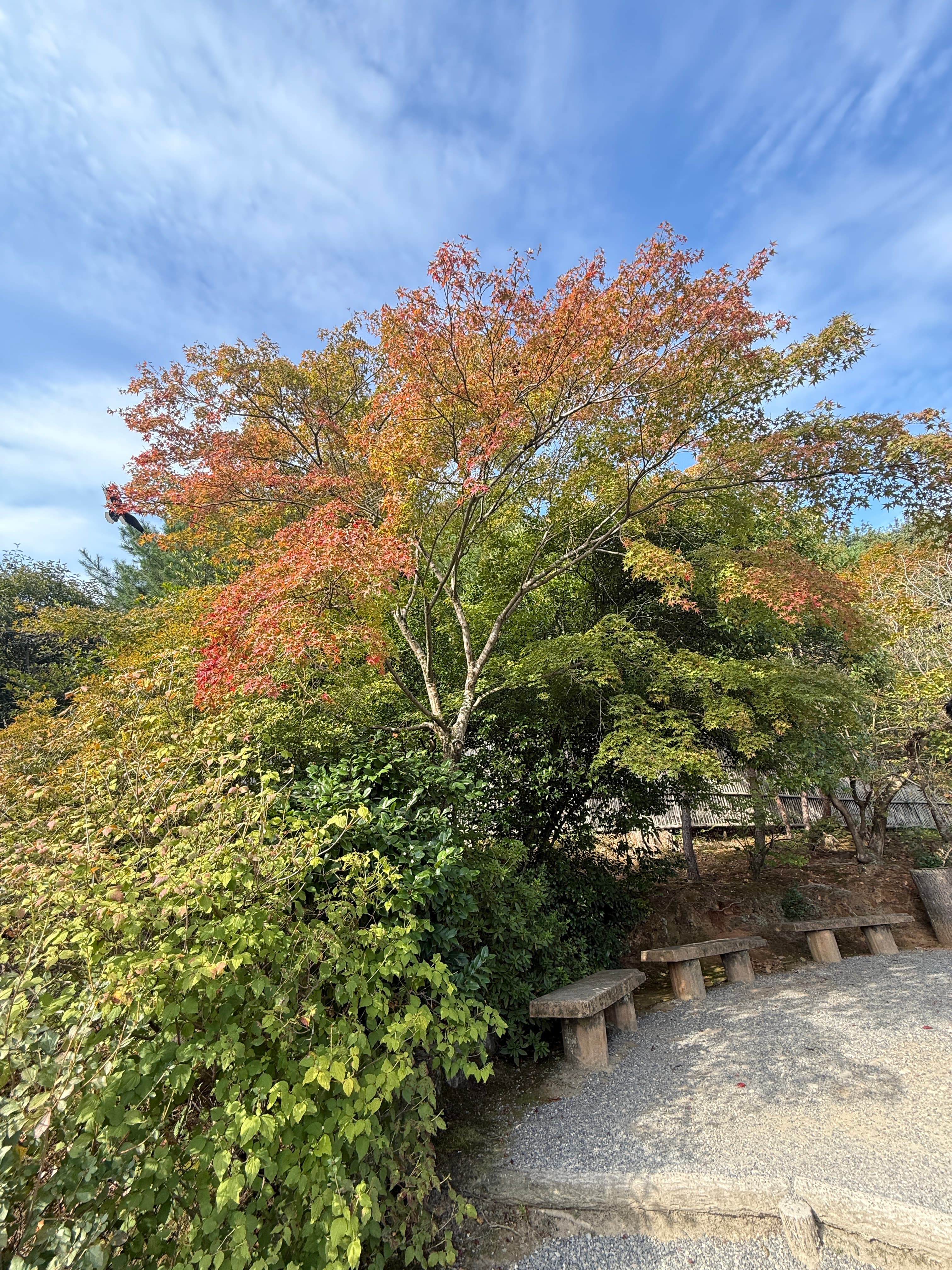
Shade Cloth Installation Examples

Shade Percentage Selection by Zone
South Texas (zones 9a–9b): 40–50% shade cloth recommended Central Texas (zones 8a–8b): 30–40% shade cloth recommended North Texas (zones 7a–8a): 20–30% shade cloth may suffice Coastal areas: Higher humidity tolerates slightly less shade
Start with 30% for North Texas. If leaves still scorch at the margins, upgrade to 40%. Over-shading is easier to fix than under-shading.
Color Selection
Black: Most durable, longest UV lifespan (3–5 years). Best value long-term. Aluminum/silver: Reflects more heat — better for very hot micro-climates. Green: Blends into landscape visually, moderate durability (2–3 years).
Installation Tips
- Create a removable frame — trees need different shade levels seasonally - Remove in winter when sun is needed for bark hardening and cold acclimation - Ensure at least 2 feet clearance above the canopy for air circulation - Anchor securely — Texas wind storms (hail, derechos) can destroy unanchored shade structures - Use U-brackets on frame corners to prevent cloth tearing in wind
Shade Cloth Installation Checklist
- ✓Measure maximum summer sun exposure hours
- ✓Select shade density (start with 30% for North Texas)
- ✓Build removable frame on wheels or with hinges
- ✓Anchor all corners with storm straps
- ✓Install by mid-May, remove late September
- ✓Keep one panel for temporary full-sun acclimation days
Found this guide helpful?
Contact Us for Personalized Advice